Steel & oil
Carnegie and Rockefeller noticed before others that the price of a critical input was about to fall off a cliff and positioned at the chokepoints.
 ARIAGlobal Ventures
Our thesis · 2026–2045
The marginal cost of intelligence and the marginal cost of energy are both collapsing toward zero, and almost everything interesting in the next two decades falls out of their collision.
The collision
Either curve alone would define an investing generation.Both at once is not a market cycle.It is a re-founding of the economy.

01 · Energy
Abundance becomes the strategy.
Solar plus storage is now the cheapest electricity in human history in most geographies, and the cost curve has not flattened.
The 20-year story is not simply that renewables replace fossil fuels. The more consequential story is what happens when energy becomes so inexpensive that we stop economizing it. Desalination at scale, direct air capture, synthetic fuels, vertical farming, and industrial heat. Entire industries once considered thermodynamically wasteful can become viable.
Our thesis is not to bet primarily on generation as it commoditizes, but on everything downstream of cheap electrons: grid-orchestration software, diverse storage chemistries including sodium-ion, iron-air, and thermal storage, interconnection and permitting infrastructure, and the industrial processes reinvented when energy becomes five times cheaper.
The wildcard is nuclear: small modular reactors and potentially fusion in the 2035+ window, driven less by climate policy than by AI datacenter demand. Compute is becoming the first customer in decades willing to pay a premium for firm, dense, 24/7 power. In effect, compute demand may underwrite the energy transition.
02 · Mobility
Then it reshapes the city.
Autonomous driving is beginning to work in the real world. The 20-year implication is larger than robotaxis: it is the unbundling of car ownership and the repricing of urban land.
If transport-as-a-service becomes three to four times cheaper than ownership, parking is released, commute radii expand, and real-estate value redistributes. The second-order bets are more interesting than the first-order ones.
Logistics networks redesigned around autonomous freight, with middle-mile operations as the wedge.
Electrified aviation opening regional routes to a new cost and operating model.
Software coordinating fleets, curb space, charging, and the physical movement of goods as an API.
03 · Technology
AI agents move from chatbots to economic actors: negotiating, transacting, hiring one another, and running workflows end to end.
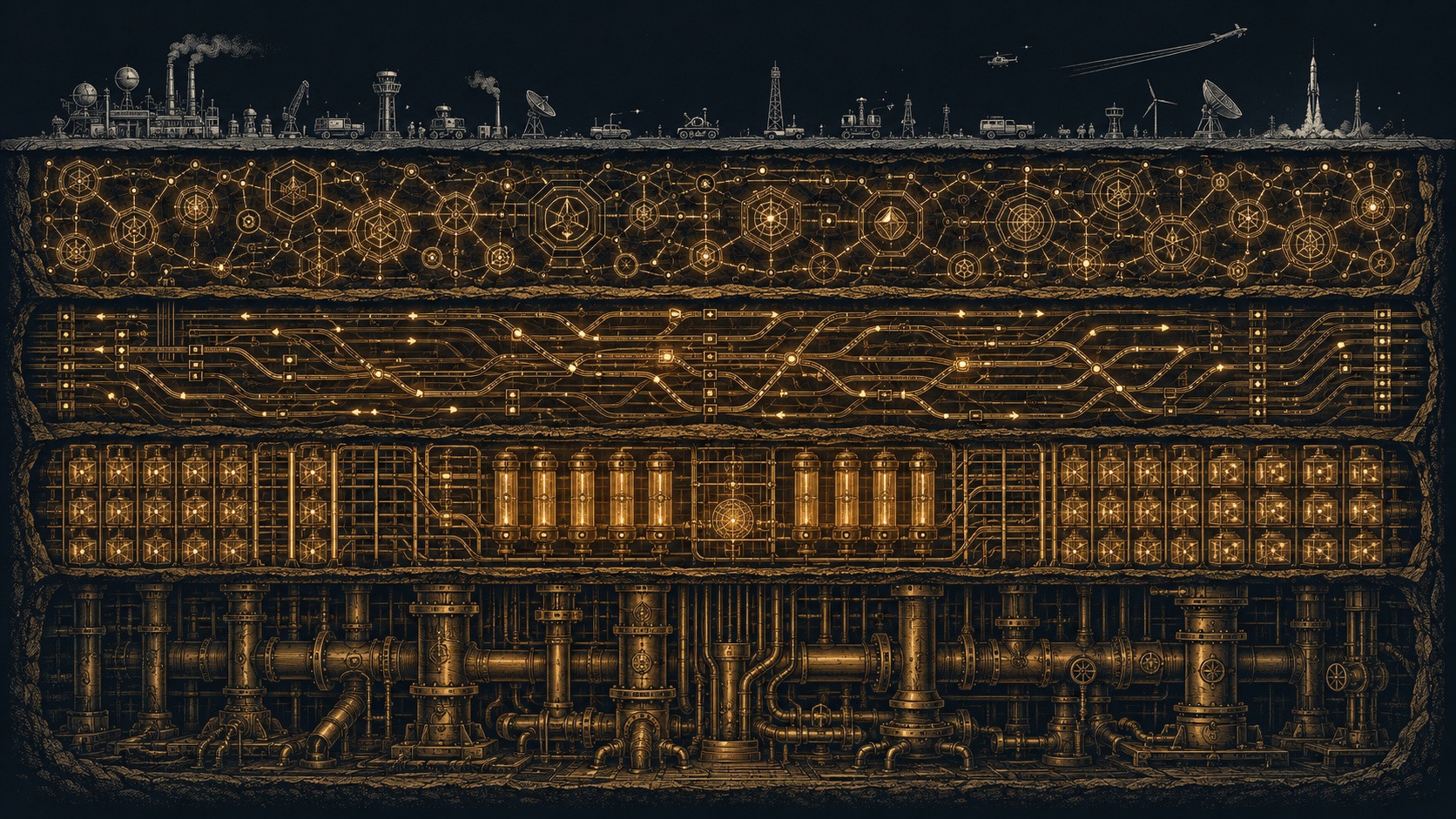
The less obvious call, and the one we anchor the fund on, is that the bottleneck shifts from capability to coordination and trust. When millions of agents transact on behalf of people and companies, the economy needs identity, provenance, reputation, verification, dispute resolution, and payment rails built for machine-speed and machine-volume transactions.
Alongside that, robotics becomes viable because the AI brain problem is solved before the hardware problem. General-purpose manipulation in warehouses, kitchens, and eventually homes arrives in the 2030s. Biology becomes an engineering discipline through AI-designed proteins, programmable therapies, and longevity treated as a condition rather than a fate.
Compute itself becomes geopolitics. Chips, datacenters, and energy form a single strategic stack that nations contest in the way they once contested oil.
Pattern recognition
Everyone who understood it early looks like a genius for the rest of their lives.
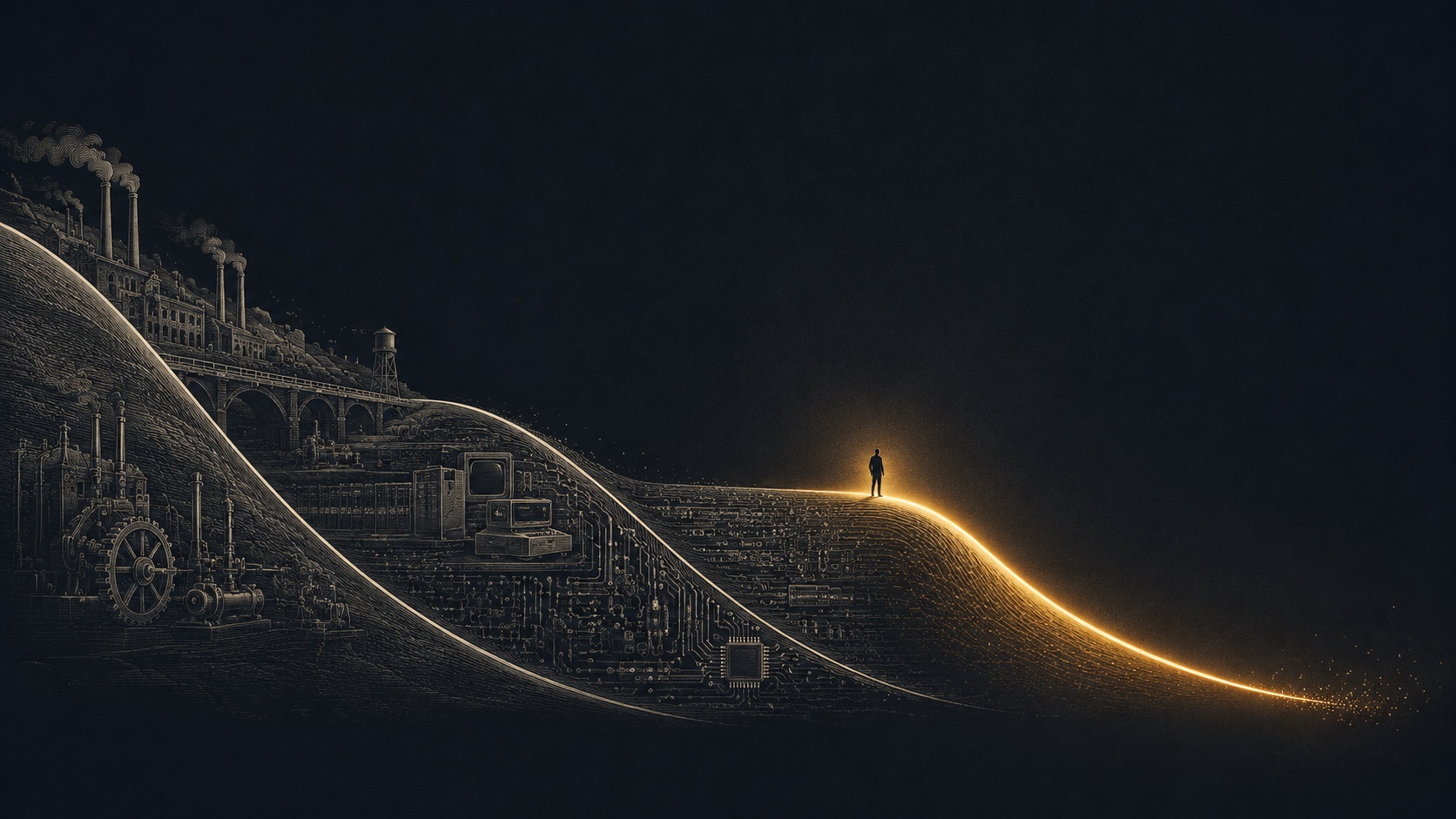
Carnegie and Rockefeller noticed before others that the price of a critical input was about to fall off a cliff and positioned at the chokepoints.
The funds backing the microprocessor era did not need to choose perfectly. They needed to be directionally present as compute became a million times cheaper.
A handful of funds understood the internet as an economic phase change rather than a technology trend and captured extraordinary value.
For the first time, two input-cost collapses are happening at once. Either alone would define an investing generation. Together they redraw the economy.
Where value accumulates
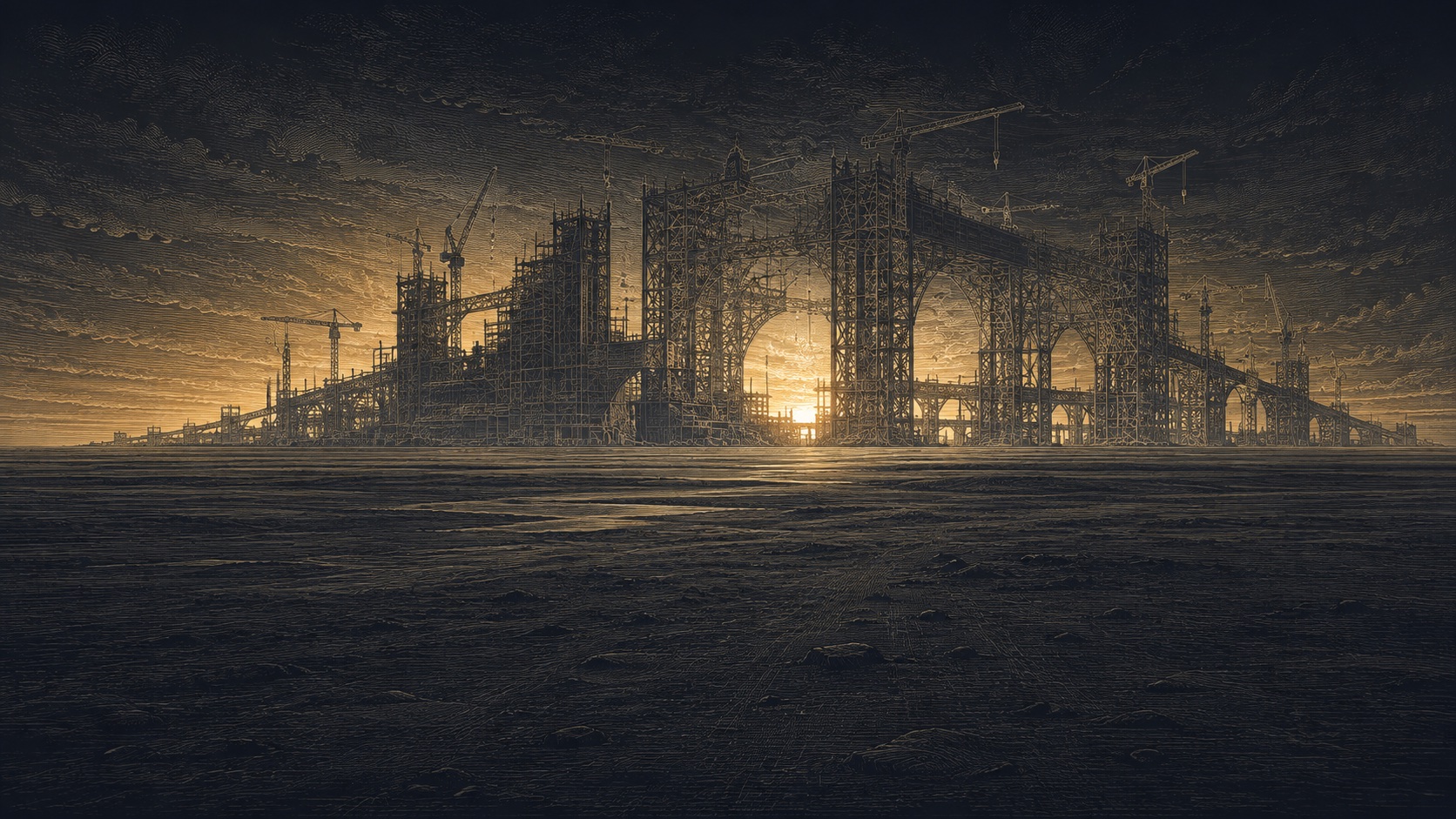
Most capital will chase the obvious layer: the models, the chips, the things on magazine covers. That layer will produce spectacular winners and spectacular carnage because frontier capability commoditizes faster than anyone expects.
We are going where value always accumulates in a phase change. When intelligence is abundant, what remains scarce? Trust, coordination, energy, and physical-world competence. When a billion AI agents transact on behalf of humans, someone owns the rails they trust. When electricity approaches abundance, someone orchestrates the grid that delivers it. When software collides with atoms across logistics, water, manufacturing, and mobility, the winners are the rare teams fluent in both. That is our hunting ground.
The window
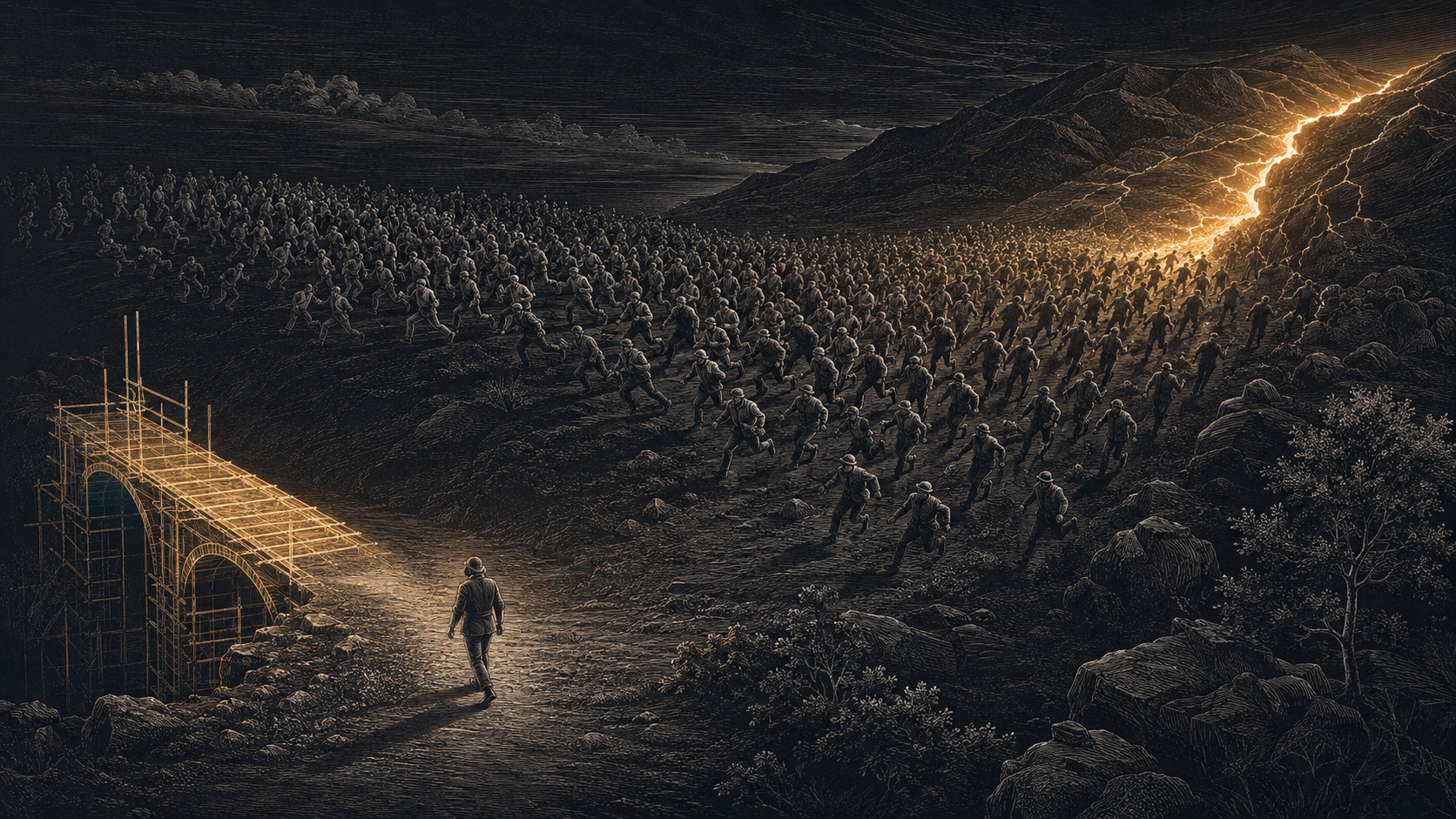
The people who invested in 1999 were late to the internet’s first act and early to its crash. Those who invested in 2009, into the wreckage when it felt reckless, caught mobile, cloud, and one of the greatest venture vintages in history.
Your grandchildren will not ask whether you saw it. Everyone saw it.They will ask what you did about it.Explore our focus